5 Systems, One Data Platform
Data from five core university systems flows into one platform automatically, with a full change history.
Post University turned five disconnected systems into one data platform in eight months. What began as an aging warehouse and a cloud platform nobody could use is now the single source of truth for everything the university builds next.
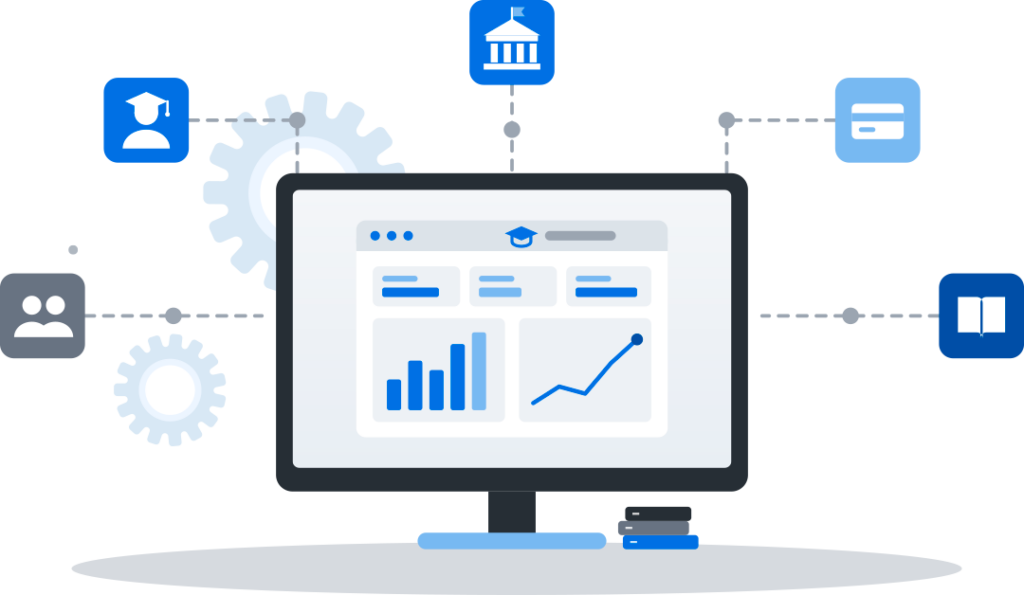
Data from five core university systems flows into one platform automatically, with a full change history.
The platform went into production eight months after kickoff, three months earlier than the original plan assumed.
The university switched off its old platforms and now pays for and maintains just one.
CLIENT
Post University is a private, for-profit university in Waterbury, Connecticut, and one of the first US institutions to offer full degrees online. It enrolls more than 20,000 students a year, most of them online, and recruits them through admissions advisors. The university has its own reporting and analytics team, which owns the platform described here.
CHALLENGES
Information about students, their payments, recruitment and course activity sat in separate systems, each with its own owners and definitions. A question that cut across them had no single place to be answered.
The university’s reporting ran on an on-premises SQL Server warehouse built entirely from database procedures that only a developer could change. It kept no history: every load overwrote the last one, so yesterday’s numbers were gone. Most sources loaded once a day, so decisions ran on numbers up to a day old, with no way to check how a figure had looked a month earlier.
A previous vendor had spent four years on a cloud platform meant to replace the warehouse. It never became fully functional, it was expensive, and the in-house team did not know how to use it. Nobody could switch it off either, because some users depended on it, so the university paid for two platforms and still reported from the old one.
CLIENT’S NEEDS
The university asked DLabs.AI to finish its stalled cloud data project. Its analytics team had no capacity to design a strategy, work with the student-system vendor and train itself at the same time. The requirements came from the analytics team and the leadership, which wanted the platform live by the end of the year:
SOLUTIONS
DLabs.AI built one platform on Azure Databricks where data from every core system lands and is made ready for reporting. It is organized in three layers: a raw copy of each source, a cleaned and checked version, and models shaped for reporting. The university’s new dashboards and reports, and Ava, its staff AI assistant, read from those models.
Student records come with rules: only the right people see them, every access is logged, and every number can be traced to its source.
In the old warehouse, every new data source meant a developer writing new load procedures. Now one automated feed loads them all: a typical new source is configured, not programmed from scratch. Because everything comes through that one feed, the team gets a history of every change and an alert when a load fails.
The university’s analysts work in SQL, so the platform is built around what they already know. Thanks to that, after a few days of training, they were building the data behind new reports themselves.
RESULTS
Eight months after DLabs.AI started, the platform was in production with data from five systems, three months earlier than the original plan assumed.
The old warehouse and the previous vendor’s cloud platform have been switched off. The university now pays for and maintains one platform instead of two.
Data the business needs during the day now loads several times a day instead of once. The leadership can also see a number as it stood on a past date, which the old warehouse could not provide.
The leadership dashboards the university has built since run on the platform instead of each building its own data pipelines, and so does Ava, which answers staff questions from the same data. The dashboards cover enrollment, retention and academic performance.
WHAT’S NEXT
The platform is now the path for the university’s next big change: the replacement of its CRM. Data from the new CRM will flow into the platform, which will also keep the old CRM’s history for the move.
Nearly two years after go-live, DLabs.AI continues to maintain and extend the platform, with more sources already in line.
TECHNOLOGIES
AI SOLUTIONS WE’RE PROUD OF